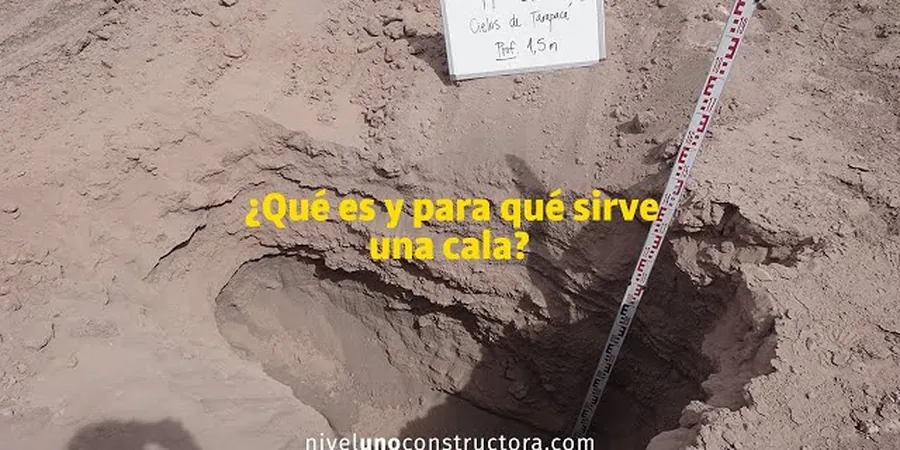
One of the most expensive mistakes we see on Drogheda sites is assuming the glacial till is uniform. You dig a foundation and hit a pocket of soft alluvium from the old Boyne paleochannel that nobody knew was there. An exploratory test pit changes that immediately. We open a mechanical trench, the engineer walks in, and the ground is no longer a guess. In Drogheda, where the substrate jumps from stiff boulder clay to estuarine silt within metres, direct visual inspection is the fastest way to de-risk shallow foundation design. We log the strata to IS EN ISO 14688-1, take undisturbed block samples, and often pair the pit with an SPT drilling campaign when the bearing layer is deeper than 4.5 m. For clients needing a full geotechnical picture, we combine the pit data with grain size analysis on the fines to confirm drainage behaviour before pouring concrete.
A 3-metre pit in Drogheda boulder clay tells you more about bearing capacity than ten speculative boreholes without visual control.